

Quick answer
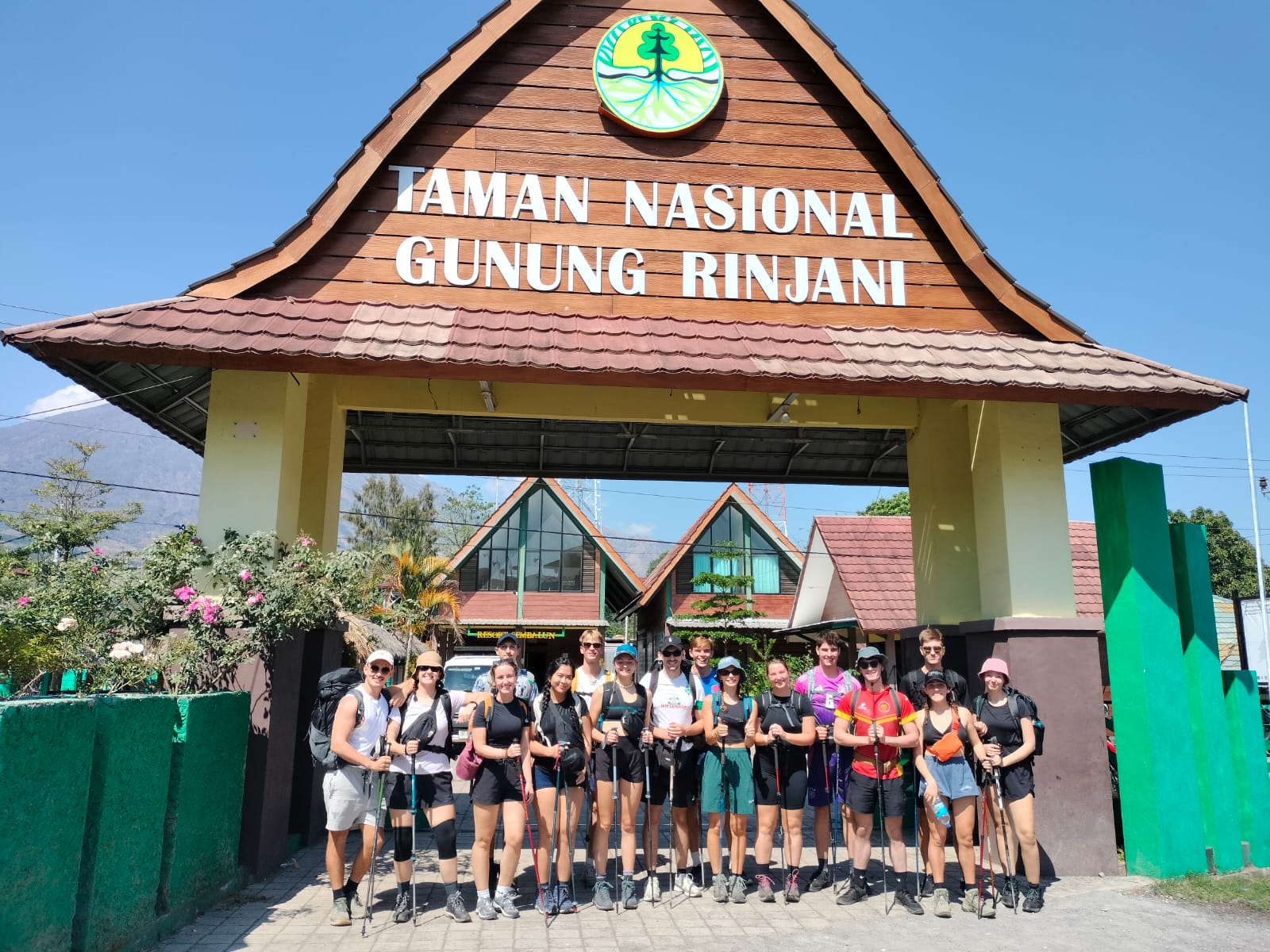
The mount rinjani hiking permit requires in-person registration at Rinjani National Park Office in Sembalun or the Senaru permit post, where you pay the 150,000 IDR SIMAKSI conservation fee per person per day. Registration counters operate Monday through Sunday from 08:00 to 16:00, and you must present your passport, provide emergency contact details, and confirm your trekking route with a licensed guide before receiving clearance to enter the national park.
Rinjani National Park introduced the SIMAKSI system in 2015 after erosion and litter threatened the crater lake and summit routes. The acronym stands for Sistem Informasi Manajemen Konservasi—a digital registry that assigns each trekker a unique registration code linked to their entry date, chosen route, and guide assignment. The mount rinjani hiking permit process begins at the park office on Jalan Raya Rinjani in Sembalun village, where staff verify passport details and log your planned itinerary into the national database. Foreign visitors pay the daily conservation fee in cash—Indonesian Rupiah only—and receive a printed permit slip that rangers check at Pos 1 trail gates. The same registration protocol applies at the Senaru office for trekkers starting the northern route, though Sembalun sees heavier morning traffic during peak trekking months. No independent hiking is allowed within park boundaries. Rinjani's regulation requires all overnight trekkers to register with a certified guide company, which submits group rosters to park authorities before departure. Day hikers to lower elevations face the same permit requirement but may join without a multi-day guide arrangement. The conservation fee funds trail maintenance crews who repair bamboo stairs, manage waste collection posts at Plawangan camps, and monitor water quality in Segara Anak crater lake. Permit validity is strict. Your registration covers only the dates declared during check-in—extending your trek requires returning to the office or having your guide request an amendment by radio from basecamp. Rangers patrol the Sembalun and Senaru gates each morning, cross-referencing permit slips against the daily departure log. Trekkers caught without valid registration face immediate ejection from the park and potential fines under Indonesian conservation law. The system works because bottleneck access points make enforcement practical, unlike open-boundary parks elsewhere in Nusa Tenggara Barat. Bring passport photocopies. The office keeps one copy on file, and you carry the original plus your permit slip throughout the trek. Registration takes fifteen minutes when counters are quiet, but expect longer waits if multiple tour groups arrive simultaneously during the morning permit rush.
“The SIMAKSI registry assigns each trekker a unique code tied to their entry date and route, making Rinjani one of Indonesia's most closely monitored volcanic parks.”
How to Get a Mount Rinjani Hiking Permit
All climbers must obtain a SIMAKSI conservation permit before entering any Mount Rinjani trail. The process takes 15–30 minutes if completed on-site, or can be done in advance through the official portal.
Choose your entry gate
Mount Rinjani has two main trailheads: Sembalun (east) and Senaru (north). Your permit will specify which gate you enter through, so confirm your trekking route before applying.
Book through the official portal
Visit https://tnrinjani.id to register online, or go directly to the Rinjani National Park Office at Jalan Raya Rinjani, Sembalun. Online booking requires uploading a passport scan; on-site registration accepts physical ID.
Pay the conservation fee
Foreign visitors pay 150,000 IDR per day of trekking. Payment is accepted in cash (rupiah) at the park office or via the online portal. Keep your payment receipt—you will need it at the trailhead.
Present your permit at the checkpoint
Arrive at your designated trailhead gate with your SIMAKSI receipt and ID. Rangers will verify your permit and log your entry before you begin the climb. Without this clearance, you cannot proceed onto the trail.
Mount Rinjani Hiking Permit Office Hours
The Rinjani National Park Office keeps the same permit-counter hours every day of the week, with no rest day.
| Monday | 08:00 – 16:00 | |
|---|---|---|
| Tuesday | 08:00 – 16:00 | |
| Wednesday | 08:00 – 16:00 | |
| Thursday | 08:00 – 16:00 | |
| Friday | 08:00 – 16:00 | |
| Saturday | 08:00 – 16:00 | |
| Sunday | 08:00 – 16:00 |
Best Time to Apply for Your Mount Rinjani Hiking Permit
Apply in April, right after the park reopens, or anytime through the June to September dry-season peak, since permits are only issued when trails are open to climbers. Within any open day, arrive at the permit counter as close to opening as possible, before midday queues build.
January to March
Park closed, no queueWet season, heavy rain, trails unsafe
Rinjani National Park suspends all climbing permits during the wet season for safety, so no permit can be issued in this window regardless of arrival time.
April to May
Light, counters reopenTransitional, cooler mornings, 20-25°C
The park reopens for the new trekking season and permit counters are less crowded than peak months, making early applications straightforward.
June to September
Heavy, peak seasonDry, warm days, cool nights, 15-25°C
This is the main dry-season trekking window and the busiest period for permit applications, so early morning arrival matters most here.
October to December
Moderate, tapering offDry to transitional, rain risk increases late
Trekking continues but conditions grow less predictable toward December, with permits still issued until the wet season closure returns.
Weekday mornings (any open month)
Lighter than weekends—
Counters see fewer applicants on weekday mornings than weekend mornings, when domestic visitor numbers rise.
Verdict: The best slot is a weekday morning in April, May, June, or September, arriving at permit counter opening before midday queues build.
Getting to the Mount Rinjani Hiking Permit Office in Sembalun
Sembalun sits in a highland valley on Rinjani's eastern side, about 2.5 to 3 hours by road from Mataram or Senggigi and a similar distance from Lombok International Airport. There is no rail or scheduled bus service into the valley, so the practical approach is by chartered car, shared trekker shuttle, or motorbike over winding mountain roads.
Chartered car, Mataram/Senggigi to Sembalun via Aikmel
Chartered car, Lombok International Airport (Praya) to Sembalun
Shared trekker shuttle, Mataram to Sembalun (arranged via guesthouses/tour operators)
Motorbike, Senggigi to Sembalun via Pusuk Pass and Aikmel road
What to Bring When You Apply for Your Mount Rinjani Hiking Permit
Arrive prepared with the right documents, gear, and arrangements to ensure a smooth permit application and safe trek.
-
Bring your passport or ID copy — The park office requires photo identification for all permit applications.
-
Carry sufficient Indonesian Rupiah in cash — The 150,000 IDR SIMAKSI conservation fee and guide payments are cash-only.
-
Confirm your licensed guide or tour operator booking — All climbers must trek with a certified guide — independent hiking is not permitted.
-
Pack trekking boots, warm layers, and rain gear — Summit temperatures drop near freezing and weather changes rapidly at altitude.
-
Check current trail status before departure — Sections close temporarily during heavy rain or volcanic activity for safety.
-
Download offline maps of the Rinjani trail network — Mobile signal is unreliable beyond Sembalun and Senaru villages.
Mount Rinjani Hiking Permit Rules Every Trekker Should Know
Your permit ties you to a registered guide and specific trek dates—compliance with park rules protects both the ecosystem and your legal standing on the mountain.
Do
- Register with a licensed guide before applying for your permit
- Carry your permit and present it at each checkpoint along the trail
- Respect seasonal trail closures announced by park authorities
- Keep your permit with you until you complete your descent
- Follow your guide's instructions on waste disposal and campsite protocols
Don't
- Attempt to transfer your permit to another trekker or different dates
- Enter the park without a registered guide accompanying your group
- Skip checkpoint stamping or fail to show your permit when asked
- Ignore closure announcements during the rainy season or volcanic activity
- Separate from your guide or deviate from your registered route
Check availability
FAQ: Mount Rinjani Hiking Permit
Everything you need to know about mount rinjani hiking permit