48 hr
Mount Rinjani Summit Trek: 2-Day Adventure
- Expert local guide
- Small group
- Skip-the-line access
- Free cancellation
Mount Rinjani Trekking — Summit Climbs & Crater Lake Routes
Volcanic ascents through cloud forest, turquoise crater at 3,726 metres
Compare fares, pick the fit — all bookings are mobile-voucher and eligible for free cancellation where shown.
48 hr
48 hr
48 hr
| Experience | Duration | Rating | Pickup | Skip-the-line | Guide | Small group | Price | |
|---|---|---|---|---|---|---|---|---|
|
Guided Experience
Most popular
Mount Rinjani Summit Trek: 2-Day Adventure
|
48 hr | ★ 4.8 | ✓ | ✓ | ✓ | ✓ | $145 | Book → |
|
Guided Experience
Mount Rinjani Summit Trek: 2-Day Sunrise & Sunset Adventure
|
48 hr | ★ 4.9 | ✓ | ✓ | ✓ | ✓ | $139 | Book → |
|
Guided Experience
Mount Rinjani Summit Trek: 2-Day Guided Adventure
|
48 hr | ★ 4.8 | ✓ | ✓ | ✓ | ✓ | $119 | Book → |
Worth it for fit trekkers seeking multi-day adventure
Mount Rinjani trekking demands a 150,000 IDR conservation entry fee per person per day, plus guide and porter costs that typically push total package prices to 2,500,000–4,000,000 IDR for a two- or three-day trek. You're paying for one of Indonesia's most physically demanding hikes—steep ascents through forest, volcanic scree, and alpine terrain—culminating in a summit crater lake (Segara Anak) and, if you push to the 3,726-meter peak, panoramic views across Lombok and Bali. The route through Sembalun or Senaru requires solid fitness; expect 8–10 hours of trekking daily, basic mountain huts or camping, and cold pre-dawn summit pushes. For experienced hikers who value earned summits and dramatic volcanic landscapes over comfort, the payoff justifies the effort and expense. Casual walkers or families with young children will find the difficulty and logistics overwhelming. Mount Rinjani trekking tours deliver genuine challenge and reward, not a casual sightseeing loop.
Bottom line: If you have the stamina and two to three days to spare, mount rinjani trekking tickets buy you one of Southeast Asia's most rewarding summit experiences.
They complement each other; most visitors who do both call the Sembalun route the more efficient path to the summit, while Senaru offers deeper immersion in the lush crater rim forests.
|
Top pick Sembalun Route |
Senaru Route | |
|---|---|---|
| Starting village | Sembalun | Senaru |
| Terrain difficulty | Steep grasslands | Dense tropical forest |
| Scenery en route | Open savanna ridges | Canopy and jungle views |
| Summit approach distance | Longer high-altitude trek | Not direct route to summit |
| Typical duration | 3 days 2 nights | 2 days 1 night |
| Trekking company availability | High frequency | High frequency |
| See tickets & prices |
Verdict: Choose Sembalun for mount rinjani trekking tours if you prioritize a summit attempt, or opt for Senaru mount rinjani trekking tickets if you prefer a shorter, forest-focused crater rim hike.
Hand-picked experiences loved by thousands of travelers
2 days
Free Cancellation
Hike Lombok's volcanic rainforests to camp at 2,641m with sunset views over Bali's peaks
3 days
Free Cancellation
Conquer Indonesia's second-highest volcano on this challenging 3-day expedition to the peak, crater lake, and natural hot springs
3 days
Free Cancellation
Conquer Indonesia's iconic volcano on a three-day expedition to the summit, crater lake, and natural hot springs
1 day
Free Cancellation
Summit the dramatic Senaru Crater Rim in a single demanding day, perfect for fit hikers with tight schedules
1 day
Free Cancellation
Challenge yourself with an intense single-day ascent to Rinjani's crater rim for dawn views over Lombok
2 days
Free Cancellation
Trek through rainforest to the crater rim, soak in thermal springs, and descend Rinjani's hidden valley
2 days
Free Cancellation
Climb Indonesia's second-highest volcano with expert guides, camp beneath the stars, and witness unforgettable sunrise views.
3 days
Free Cancellation
Scale Indonesia's iconic volcano, camp on the crater rim, and soak in natural hot springs on this guided adventure
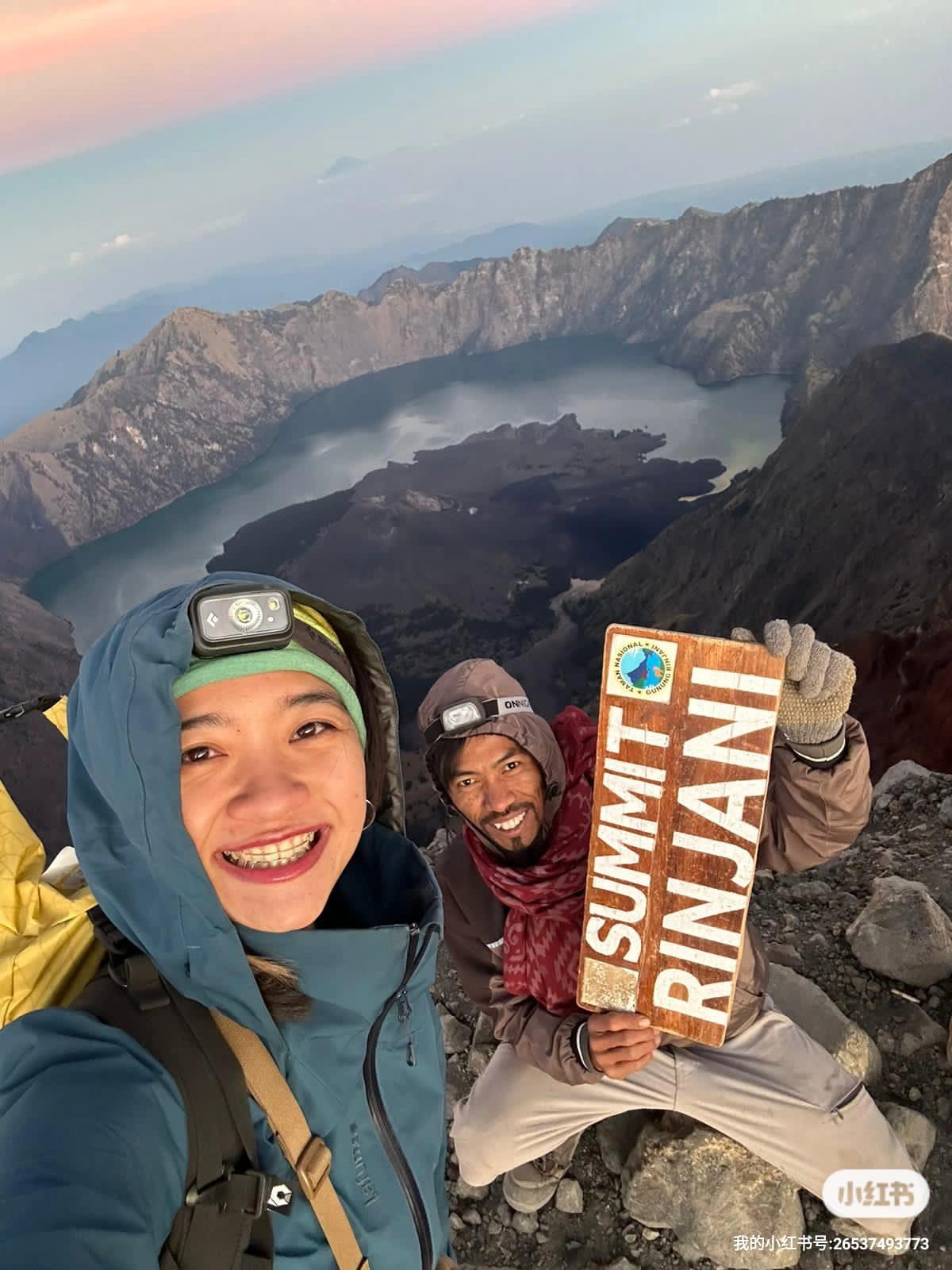
Reach the 3,726-meter peak for a panoramic view of the volcanic range. Expect loose volcanic sand near the top.
Segara Anak Lake
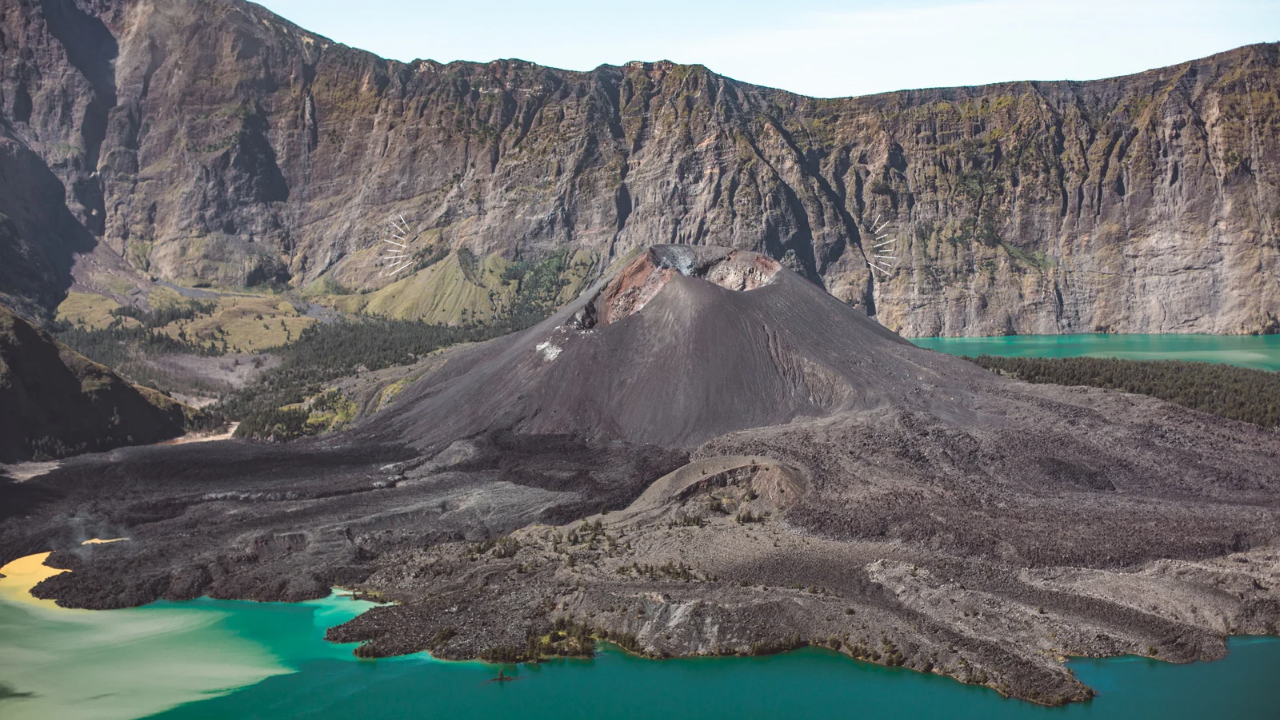
Gunung Barujari
Sembalun Crater Rim
Senaru Crater Rim
All the details about your upcoming adventure in one place
Mount Rinjani trekking takes you through Indonesia's second-highest volcano, reaching 3,726 meters above sea level with panoramic views of Lombok and Segara Anak crater lake. The route passes through tropical rainforest, savanna zones, and volcanic summit terrain. Mount Rinjani trekking tours typically include porter support, camping gear, and meals during multi-day ascents from Senaru or Sembalun villages.
Mount Rinjani National Park protects 41,330 hectares of montane forest and volcanic terrain on Lombok, with the 3,726-metre summit standing as Indonesia's second-highest volcano.
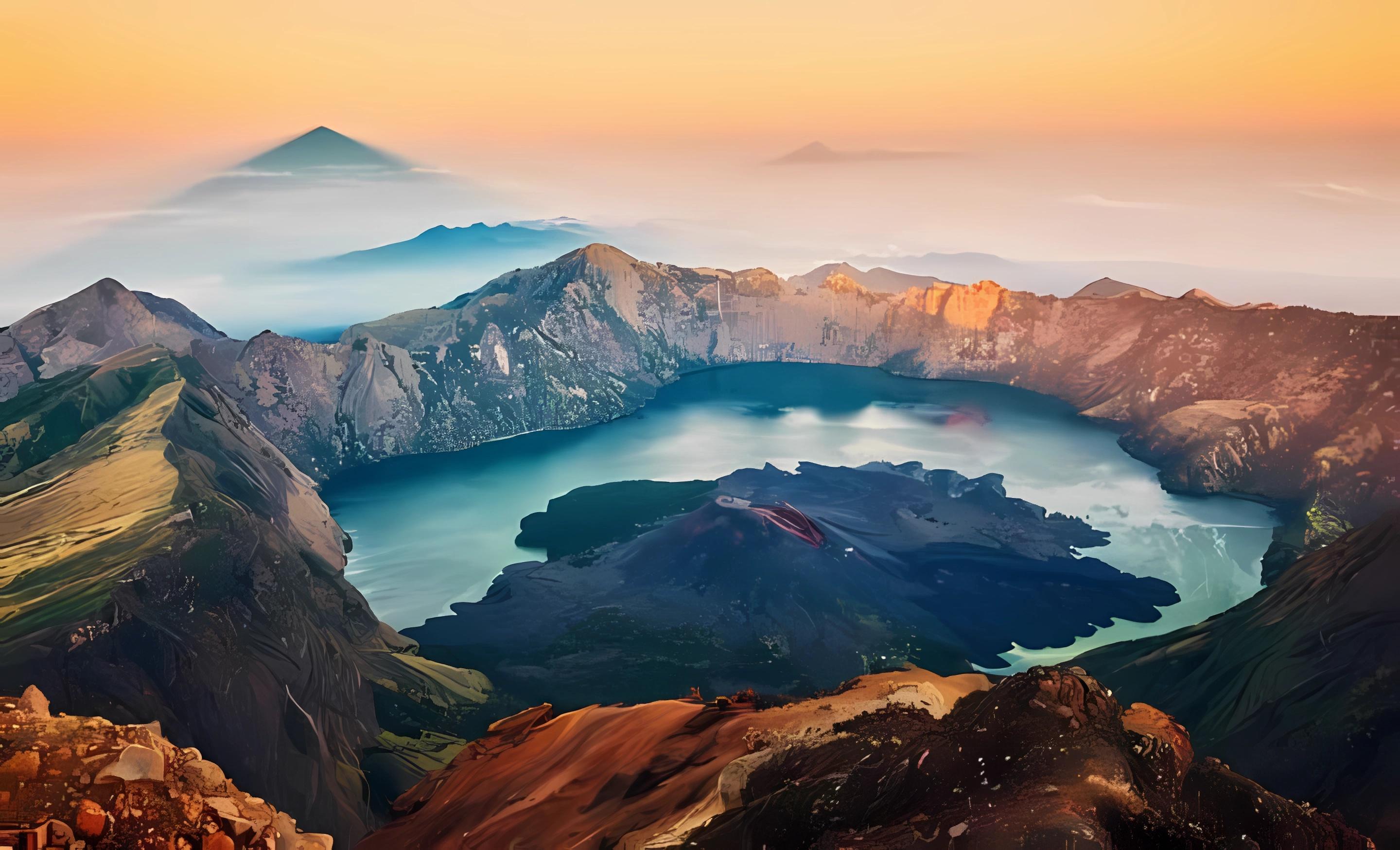
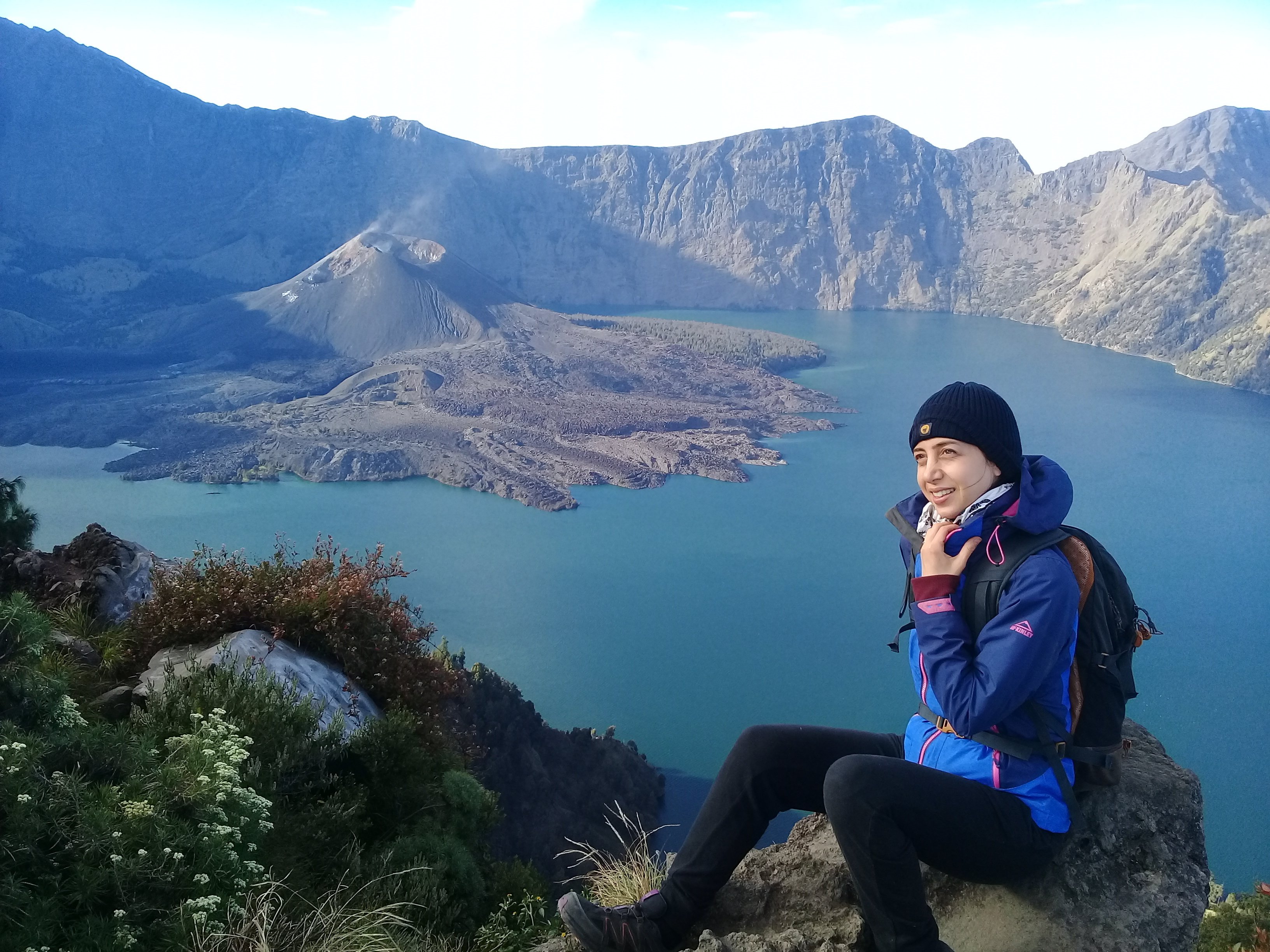
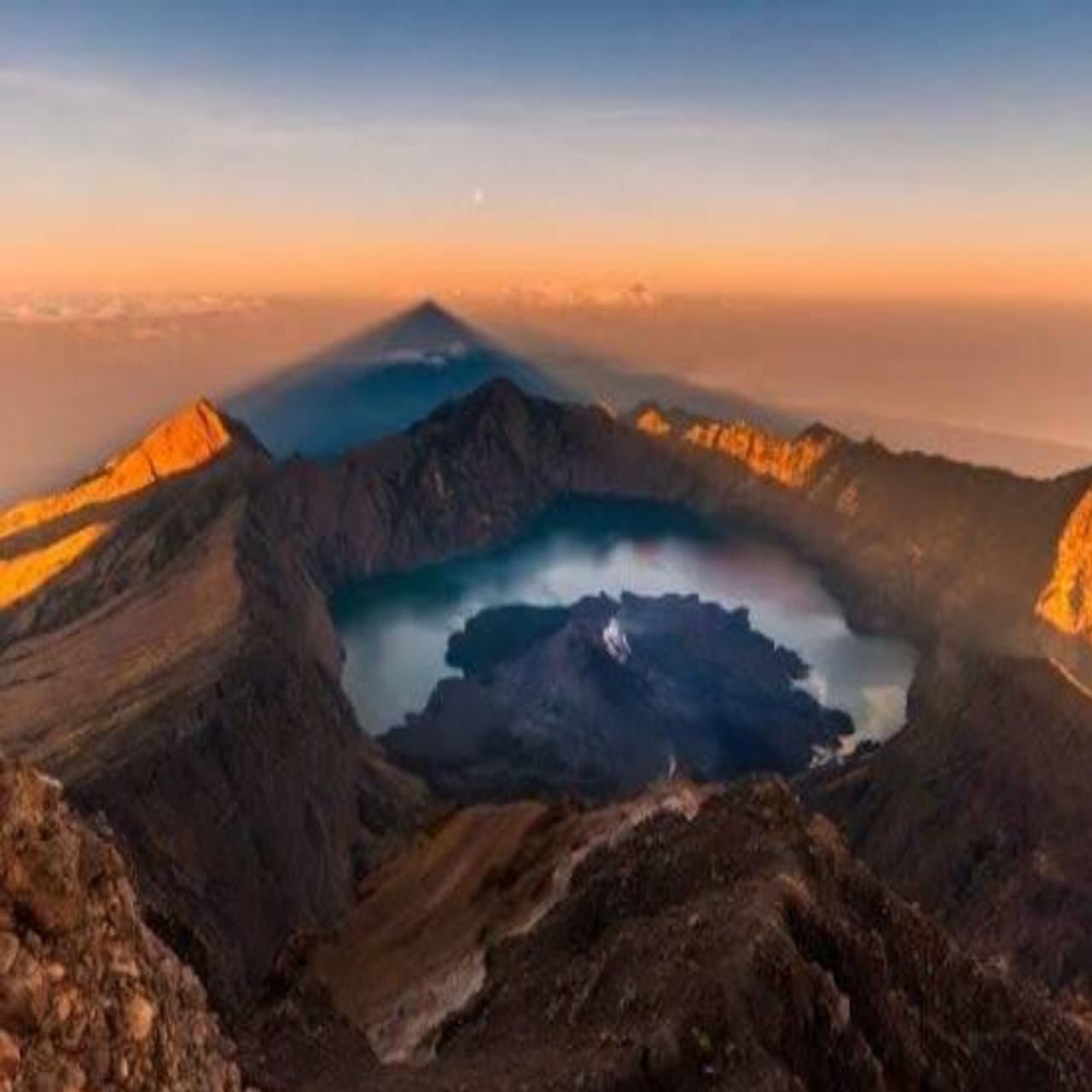
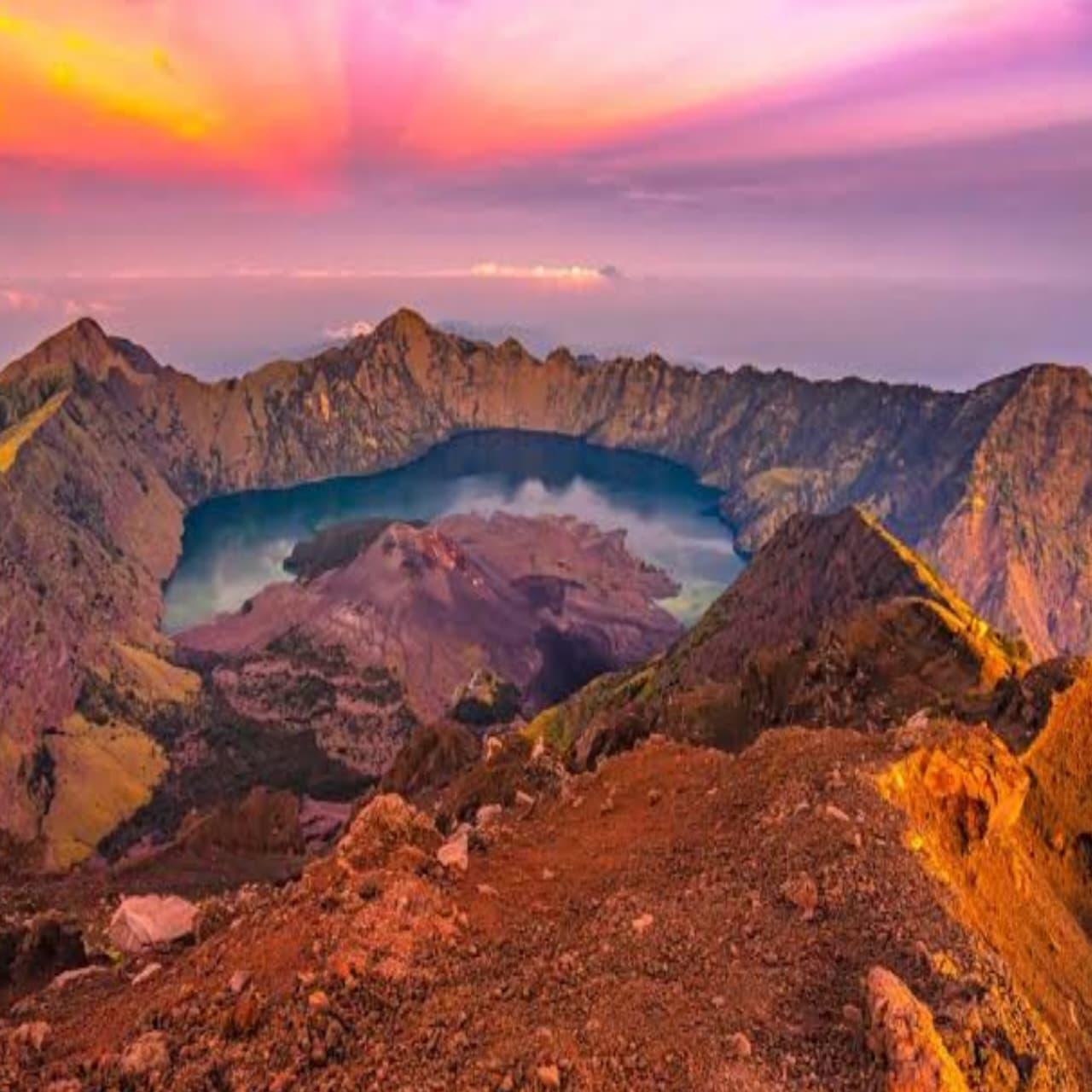
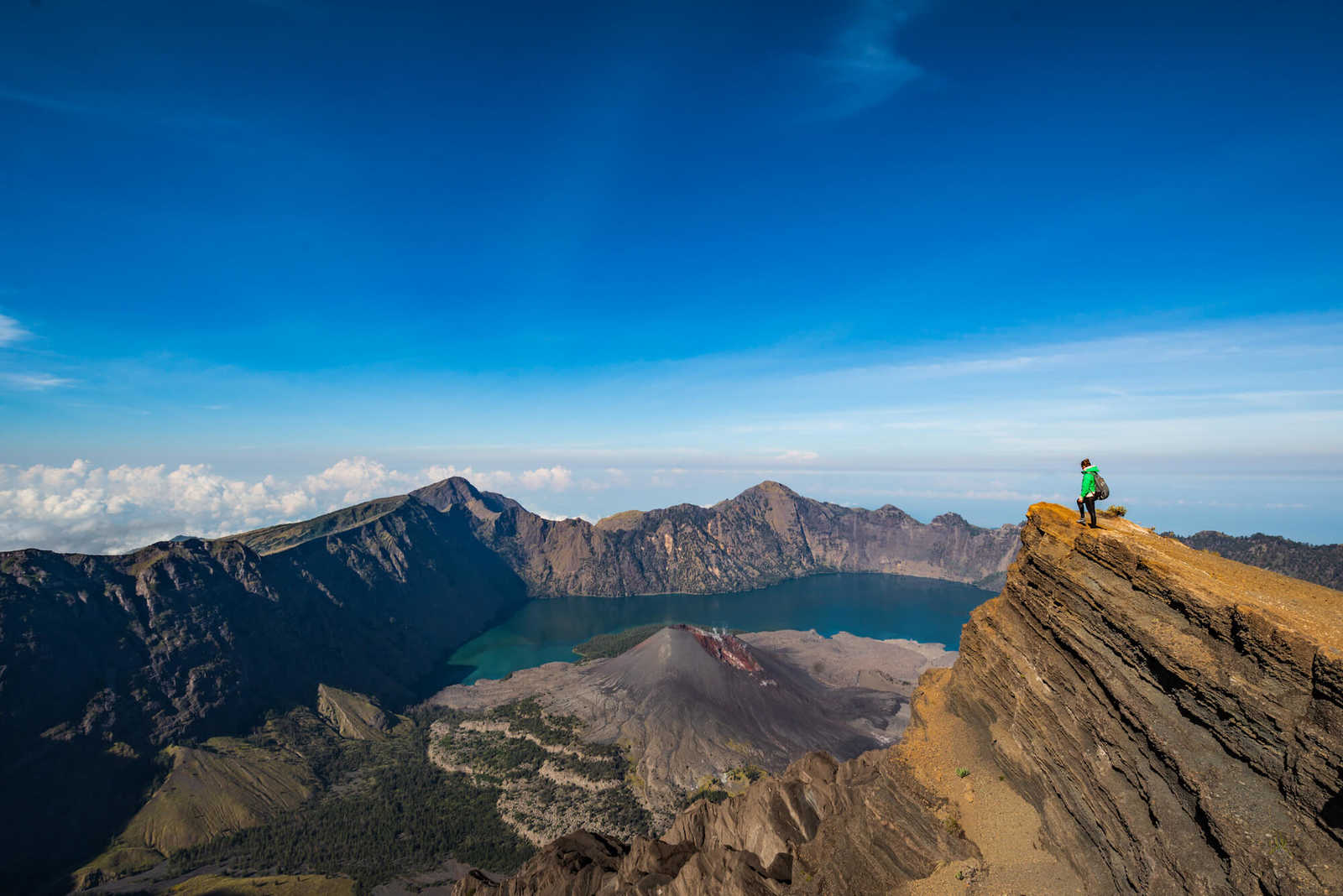
The caldera holds Segara Anak, a crescent lake formed 13,000 years ago when the original cone collapsed, leaving a six-kilometre-wide basin now filled to 2,000 metres elevation. Within the lake rises Gunung Baru, a new cone that emerged in 1847 and has erupted intermittently since, most recently sending ash plumes in 2016. The Sasak people consider Rinjani sacred, and pilgrims still leave offerings at hot springs on the crater floor.
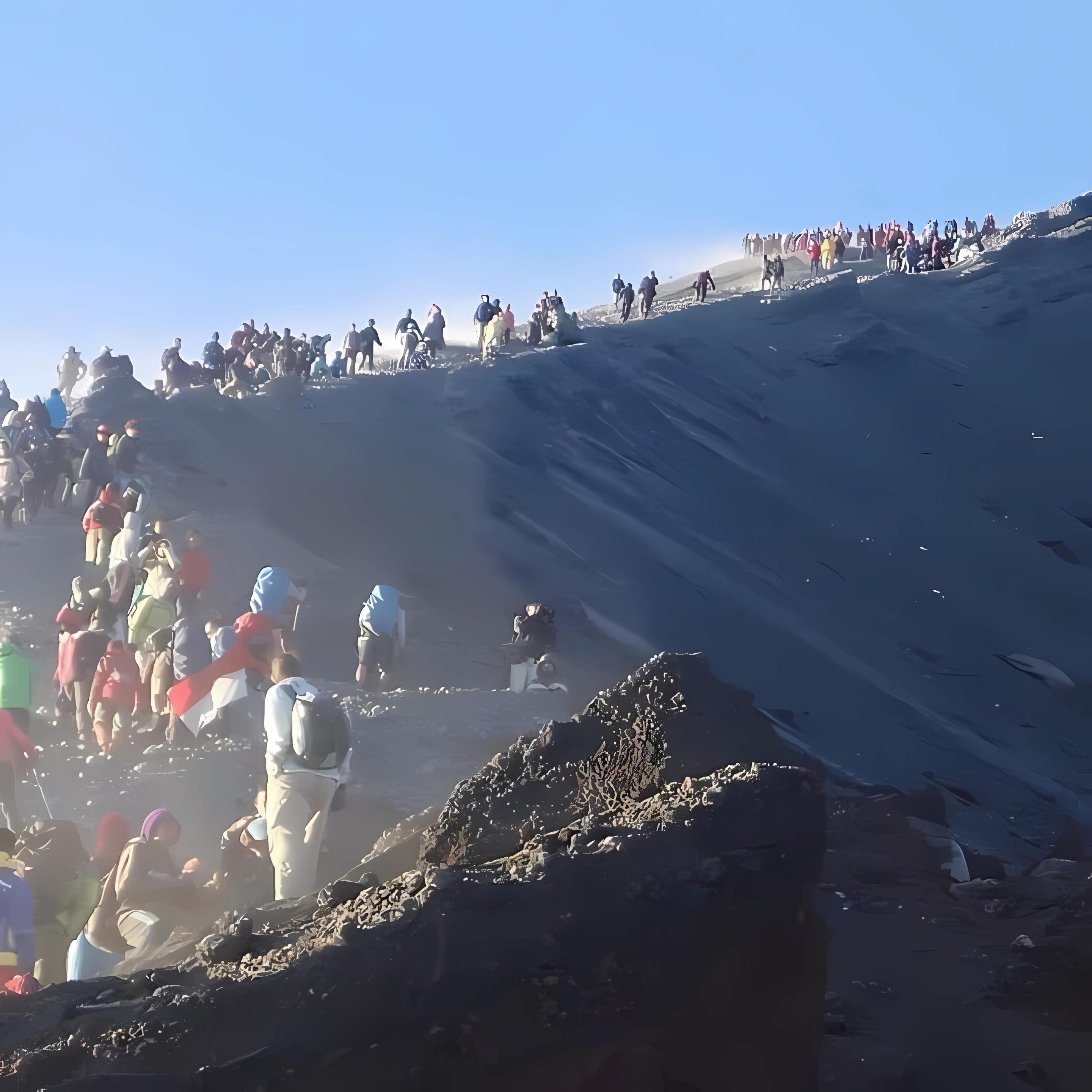
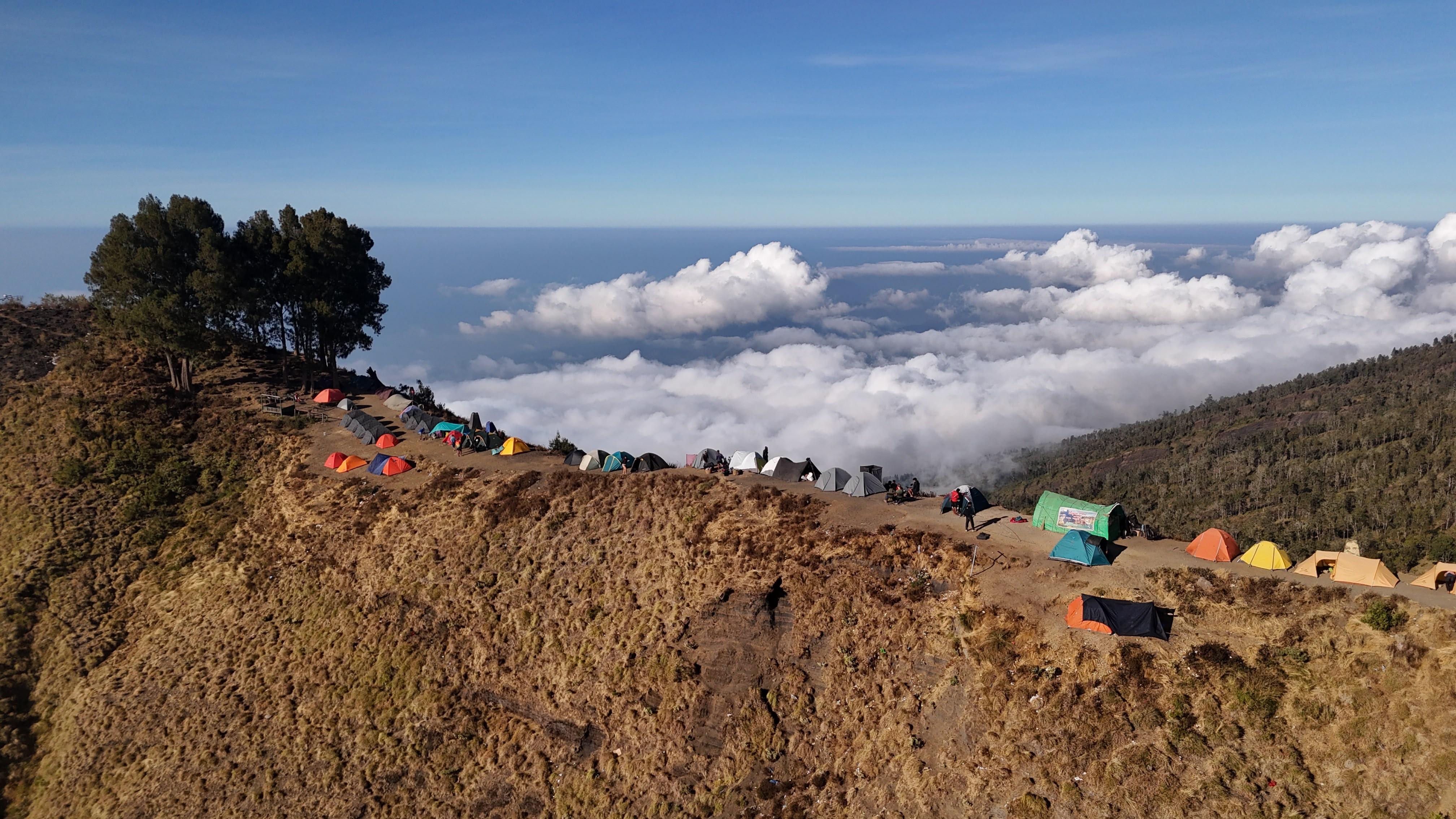
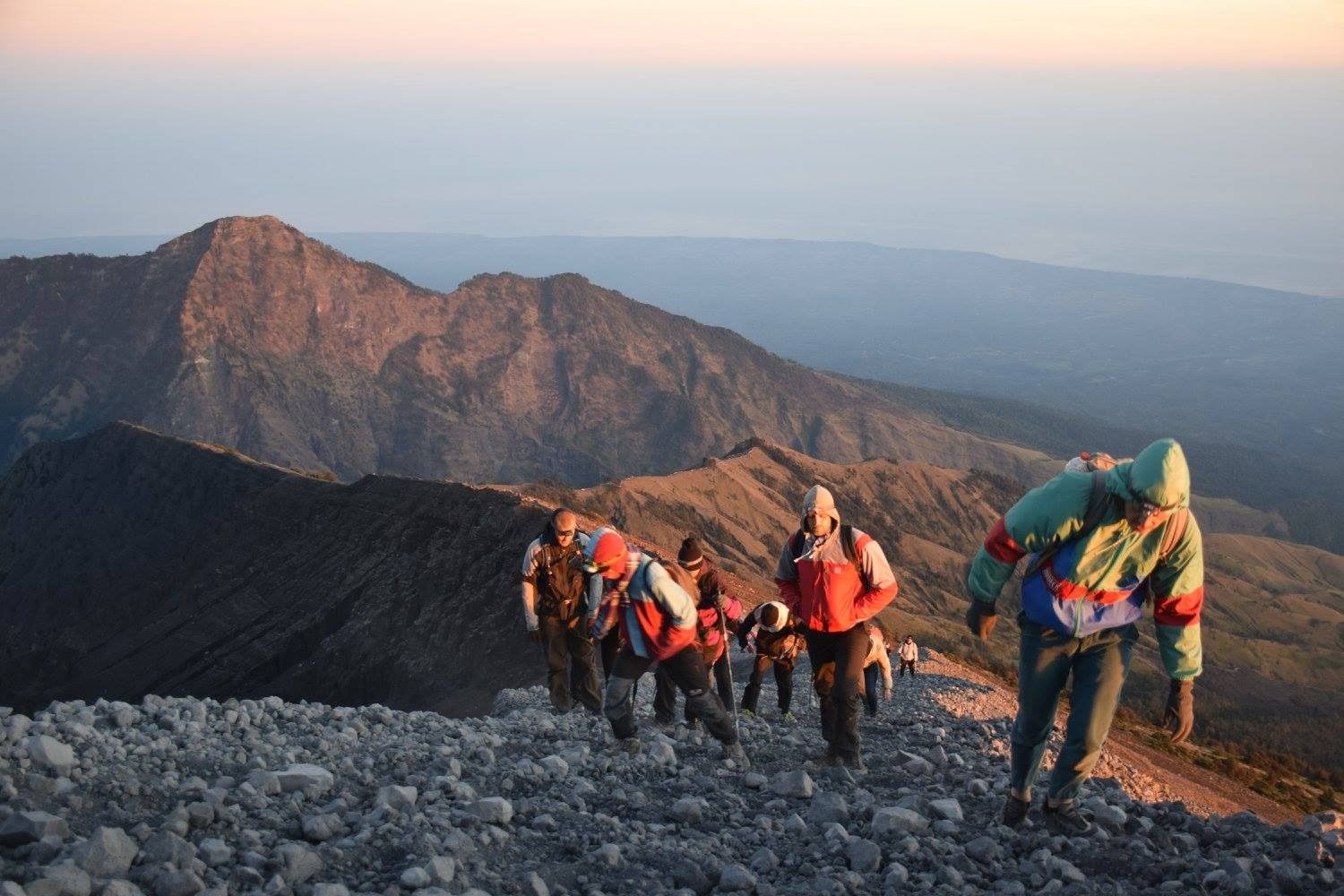
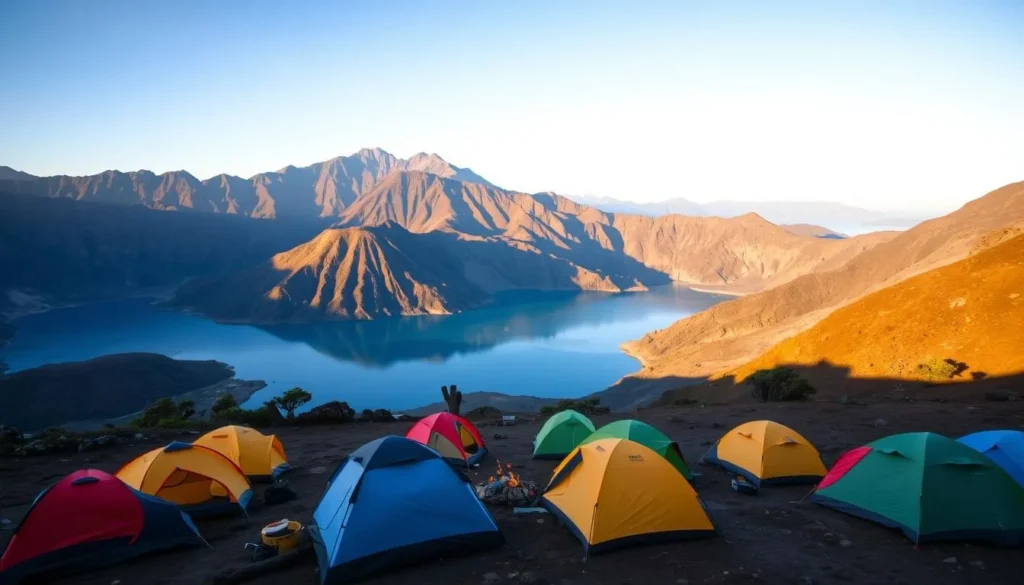
Mount Rinjani trekking departs from two trailheads — Sembalun on the eastern flank offers open grassland and faster altitude gain, while Senaru on the northwest climbs through dense rainforest with waterfalls visible in the first hour. Both routes converge at Plawangan Sembalun, the crater rim camp at 2,639 metres where most trekkers sleep before the pre-dawn summit push. The final ascent crosses loose scoria on a 45-degree slope, with fixed ropes installed on the steepest sections. Cloud cover typically forms by mid-morning, making early starts essential for visibility.
The conservation entry fee of 150,000 IDR per person per day funds trail maintenance and waste removal — porters carry out all non-organic refuse under park regulations established in 2010. Trekking companies operating within the national park must employ certified guides registered with the Rinjani Trek Management Board, and all camps use designated sites to limit erosion. The park closes entirely during the monsoon months of December through March, when landslides render trails impassable. Outside this window, mount rinjani trekking tours run daily, with the dry season from June to August seeing the highest volume.
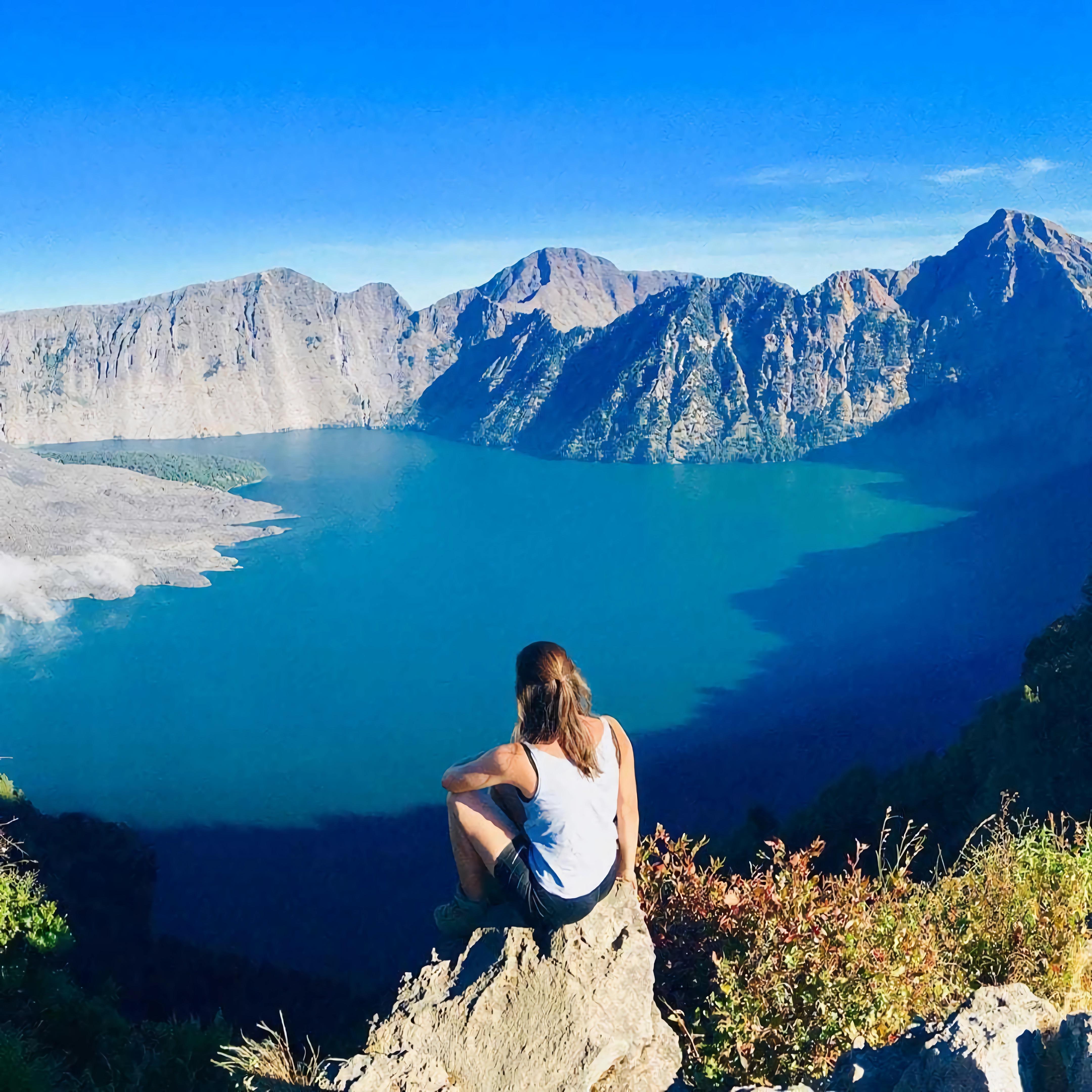
The crater rim offers views across Lombok to Bali's Mount Agung in the west and Sumbawa's peaks to the east. Segara Anak's turquoise water contrasts with the black sand beaches along its shore, where hot springs emerge at 60 degrees Celsius. Trekkers descending to the lake add a full day to their itinerary, crossing 600 vertical metres from rim to water. The lake sits within a collapse scar that geologists estimate removed two cubic kilometres of material, reshaping Lombok's water table and creating the springs that now feed the Kokok Putih waterfall below Senaru.

The caldera holds Segara Anak, a crescent lake formed 13,000 years ago when the original cone collapsed.
Permits are non-refundable for personal cancellations, though rescheduling may be possible. The 150,000 IDR conservation entry fee per person per day, weekday rate, is strictly managed by park authorities.
Mount Rinjani rose from tectonic collisions along the Sunda Arc roughly 6,000 years ago, its cone built through successive eruptions that deposited andesite and basalt across northern Lombok. The Samalas eruption of 1257, now attributed to Rinjani's paleocone, ranks among the largest volcanic events in recorded history, ejecting an estimated 40 cubic kilometers of tephra and leaving a caldera that would eventually cradle Segara Anak. Ice-core records from Greenland and Antarctica preserve sulfate spikes from that year, linking the eruption to global climate anomalies and crop failures across Europe and Asia. The crater lake formed over centuries as monsoon rains filled the collapsed chamber, creating the turquoise basin sacred to both Sasak and Balinese communities. Pilgrimage routes predated colonial cartography. Sasak villagers ascended to Segara Anak for pekelem ceremonies, casting gold and jewelry into the lake to honor ancestral spirits and Batara Rinjani, the mountain deity. Balinese Hindus joined these rituals, venerating the lake as a source of holy water and a manifestation of Shiva. Dutch geologists mapped the volcano in the early 1900s, but formal trekking infrastructure emerged only after Indonesian independence. The Senaru and Sembalun trails, both originating in traditional footpaths used by guides and porters, became codified routes when the national park was gazetted in 1997. Mount rinjani trekking tours expanded through the 2000s as international adventure tourism reached Lombok, though informal guiding persisted until conservation fees were standardized in 2010. The 2018 North Lombok earthquakes damaged both trailheads and triggered landslides along ridge sections, closing the park for three months. Restoration crews rebuilt stone steps and water stations, reopening the summit route by November that year. Today the paths blend ecological management with cultural continuity: porters still descend to Segara Anak for pekelem, and conservation staff enforce waste-carry protocols introduced after mount rinjani trekking tickets began funding trash collection and reforestation programs across the 41,330-hectare park.
Tectonic activity along the Sunda Arc forms the Rinjani volcanic complex through successive eruptions.
The Samalas eruption ejects 40 cubic kilometers of tephra, creating the caldera that later holds Segara Anak crater lake.
Sasak and Balinese pilgrims establish footpaths to Segara Anak for pekelem ceremonies and holy water rituals.
Dutch colonial geologists conduct the first scientific surveys and topographic mapping of the volcano.
Mount Rinjani National Park is officially gazetted, formalizing Senaru and Sembalun as designated trekking routes.
Standardized conservation entry fees are introduced to fund trail maintenance, waste management, and reforestation.
North Lombok earthquakes close the park for three months; restoration teams rebuild damaged infrastructure by November.
Mount rinjani trekking tours integrate ecological protocols with ongoing Sasak and Balinese pilgrimage traditions.
Embarking on mount rinjani trekking requires significant preparation, as this rugged environment is better suited for older children and teens rather than toddlers. Families should prioritize professional support and gradual pacing to navigate the challenging terrain of this Indonesian landmark.
This activity is recommended for teenagers and physically active older children; it is not suitable for strollers, young children, or infants.
Hiring local porters is essential for families, as they manage heavy camping gear and supplies, allowing you to focus on your child's safety during mount rinjani trekking tours.
Plan for extended ascent times to allow for frequent rest breaks, as the high-altitude trails demand steady endurance and careful navigation.
Engaging a licensed mount rinjani trekking tour operator provides experienced guides who understand how to manage family-specific safety concerns on steep volcanic slopes.
There are no baby-change facilities or specialized infrastructure along the trails, so parents must be entirely self-sufficient regarding supplies and hygiene.
Ensure your family is equipped with high-quality, broken-in hiking boots and layered clothing, as temperatures fluctuate significantly while using your mount rinjani trekking tickets.
Finding reliable fuel near mount rinjani trekking trailheads is essential for managing your energy levels. Visitors typically rely on local warungs in Senaru and Sembalun villages to coordinate their mount rinjani trekking tours.
Located in Senaru, this spot is perfect for a hearty pre-hike meal or a relaxed post-trek dinner. Their menu offers a variety of Western and Indonesian dishes suitable for refueling after booking your mount rinjani trekking tickets.
Everything you need to know for your journey
No, all foreign visitors must trek with a licensed guide per park regulations.
Yes, single-use plastics and drones are among the items prohibited in the park.
Bring thermal layers, sturdy boots, a medical certificate, and your official permit.
Join thousands of happy travelers who have discovered this incredible experience
Book Your Experience Now