

Quick answer
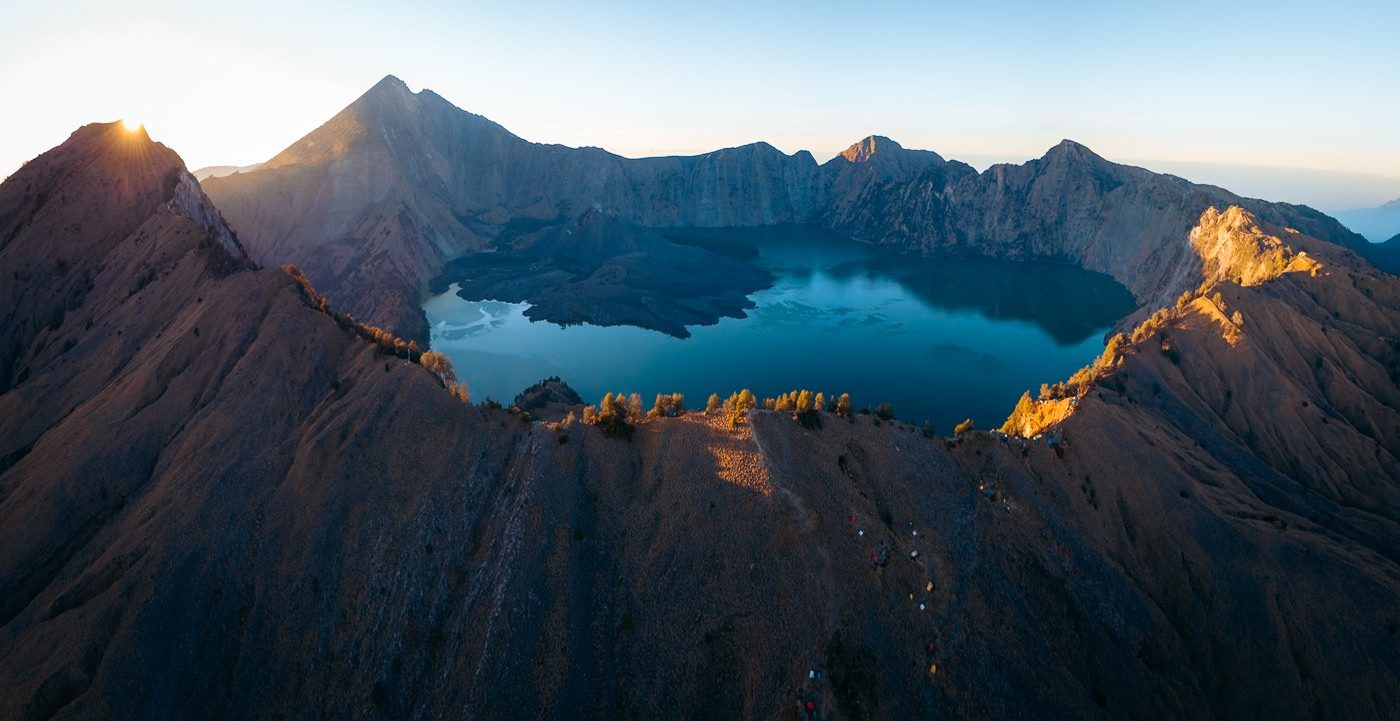
The mount rinjani trekking price begins with a 150,000 IDR per-person, per-day conservation entry fee for Mount Rinjani National Park. This mandatory charge covers weekday access and supports habitat preservation across the 41,330-hectare protected zone. Full trek costs climb considerably higher once you factor in required guide services, porter wages, camping equipment rental, meals, and transport from Lombok's coastal towns to the Senaru or Sembalun trailheads—expenses that typically multiply the base entry fee several times over.
The conservation entry fee for Mount Rinjani National Park sits at 150,000 IDR per person per day, a figure that funds trail maintenance, waste management programs, and ranger patrols across one of Indonesia's most ecologically sensitive volcanic landscapes. This baseline charge applies to weekday entries and represents only the starting point in your trek budget. What distinguishes Rinjani trekking costs from other Indonesian hiking destinations is the regulation framework mandating registered guides for all summit attempts. Solo trekking has been prohibited since 2015 following a series of search-and-rescue incidents, a policy that transformed the pricing structure entirely. Tour operators now bundle guide wages, porter fees, camping gear, meals, and emergency evacuation coverage into multi-day packages that range from basic two-day crater rim expeditions to comprehensive four-day summit circuits with side trips to Segara Anak lake and the natural hot springs below. Porter services form a significant line item in any mount rinjani trekking price guide. These specialists carry tents, cooking equipment, food supplies, and client backpacks up gradients that steepen to 40 degrees near the summit cone, earning wages that reflect both physical demand and the regional economy. Equipment rental—sleeping bags rated for near-freezing summit temperatures, trekking poles, headlamps—adds another layer, as does the transport leg from Senggigi or Mataram to the registration posts at either trailhead. The Rinjani Trek Center, the official coordinating body, maintains a pricing transparency database that tour operators must reference when quoting packages. Seasonal demand shifts costs noticeably: dry-season departures between May and September command premiums of 15 to 25 percent over wet-season rates, when trail closures and reduced visibility make summit success less certain. Travelers booking direct with village-based cooperatives in Senaru or Sembalun often secure lower per-person rates than those arranging through Lombok's coastal resort agencies, though service standards and insurance coverage vary accordingly.
“The conservation entry fee represents only the starting point in your trek budget—guide requirements, porter wages, and equipment rental typically multiply that baseline figure several times over.”
Mount Rinjani Trekking Price: Official Entrance Fee Explained
Admission to Mount Rinjani National Park hinges on a single official conservation entry fee set by the park authority, charged per person per day at the trailhead registration point (Senaru or Sembalun).
A typical adult pays the 150,000 IDR per-person, per-day conservation fee at the weekday rate, and the main variable is trek length since the fee is charged for each day inside the park; guide, porter, and permit packages are separate costs shown in the site's booking widget.
What Affects Total Mount Rinjani Trekking Price Beyond the Entrance Fee
Beyond the daily conservation fee, the largest share of a Rinjani trek budget comes from mandatory guide and porter arrangements, since independent trekking without a licensed guide is not permitted on the mountain.
How to spend less
- Join a small group trek to split guide and porter costs
- Bring your own tent and sleeping bag if traveling with gear
- Confirm what a quoted package already includes before booking
- Check current organizer rates directly rather than estimating
A realistic per-person total runs from a modest budget covering only the entry fee and shared guide costs to a more comfortable sum once porter support and multiple trek days are added, with exact figures depending on the licensed operator arranging the trek.
Mount Rinjani Trekking Price and Park Opening Hours
Mount Rinjani National Park and its trek centers in Senaru and Sembalun operate on the same schedule every day of the week, which matters for calculating how many conservation-fee days a multi-day trek will cover.
| Monday | 06:00 – 18:00 | |
|---|---|---|
| Tuesday | 06:00 – 18:00 | |
| Wednesday | 06:00 – 18:00 | |
| Thursday | 06:00 – 18:00 | |
| Friday | 06:00 – 18:00 | |
| Saturday | 06:00 – 18:00 | |
| Sunday | 06:00 – 18:00 |
Best Time to Trek Rinjani for the Price You Pay
The dry season from April through October is the reliable window for Rinjani, and arriving at the Senaru or Sembalun trek center between 06:00 and 08:00 gets you cooler air and faster registration before multi-day permits fill up. Since the trek itself runs over several paid days, timing the season and the start hour right protects the value of every day you have booked.
April to October (dry season)
Highest, especially July-AugustDry, 20-30C days, colder nights near summit
This is the trekking season when the park is reliably open for multi-day summit attempts, with July and August drawing the largest crowds due to school holidays in Indonesia and Europe.
May, June, September
Moderate, fewer groups on trailDry, stable, slightly cooler evenings
These shoulder months keep dry-season reliability but with thinner crowds at rest points and campsites than peak July-August.
November to March (wet season)
Low, many routes closedRain, trail mud, higher landslide risk
Rinjani National Park typically closes the main trekking routes during this period for safety, so this window is not usable for planning a paid multi-day trek.
Daily arrival, 06:00-08:00
Fewer groups ahead of you at registrationCooler morning air before midday heat
Arriving in this window lines up with the recommended start time for cooler trailhead conditions and quicker processing at the trek center before the day's climbing groups stack up.
Weekday mornings vs weekend mornings
Weekdays notably quieter—
Weekday starts mean less congestion at the registration desk and on the lower trail sections compared to weekend departures.
Verdict: The best slot is a weekday morning arrival between 06:00 and 08:00 during May, June, or September, when the dry season is stable but crowds are thinner than the July-August peak.
Before You Pay the Mount Rinjani Trekking Price: A Prep Checklist
Complete these steps before you arrive at the trailhead to streamline your multi-day trek.
-
Register at Rinjani Trek Center (Senaru or Sembalun) — Trek permits are issued on-site and require valid photo identification for national park entry.
-
Bring passport or Indonesian ID — Officials verify identity when processing the 150,000 IDR conservation entry fee per person per day.
-
Book a licensed guide and porter — Independent trekking is prohibited; arrange certified operators at least two weeks before your departure date.
-
Pack for alpine conditions above 2,000 meters — Temperatures drop significantly at higher elevations, requiring layered clothing and waterproof gear.
-
Confirm water purification method — Potable water is unavailable on the trail; bring tablets or a filtration system for multi-day hydration.
-
Arrange trailhead transport for 06:00–08:00 arrival — Early registration at the trek center allows cooler morning starts and proper permit processing before ascent.
What to Combine With Your Mount Rinjani Trek
If you are basing yourself in Senaru or Sembalun before or after the climb, a few genuine sights sit close enough to combine with the trek without adding travel days.
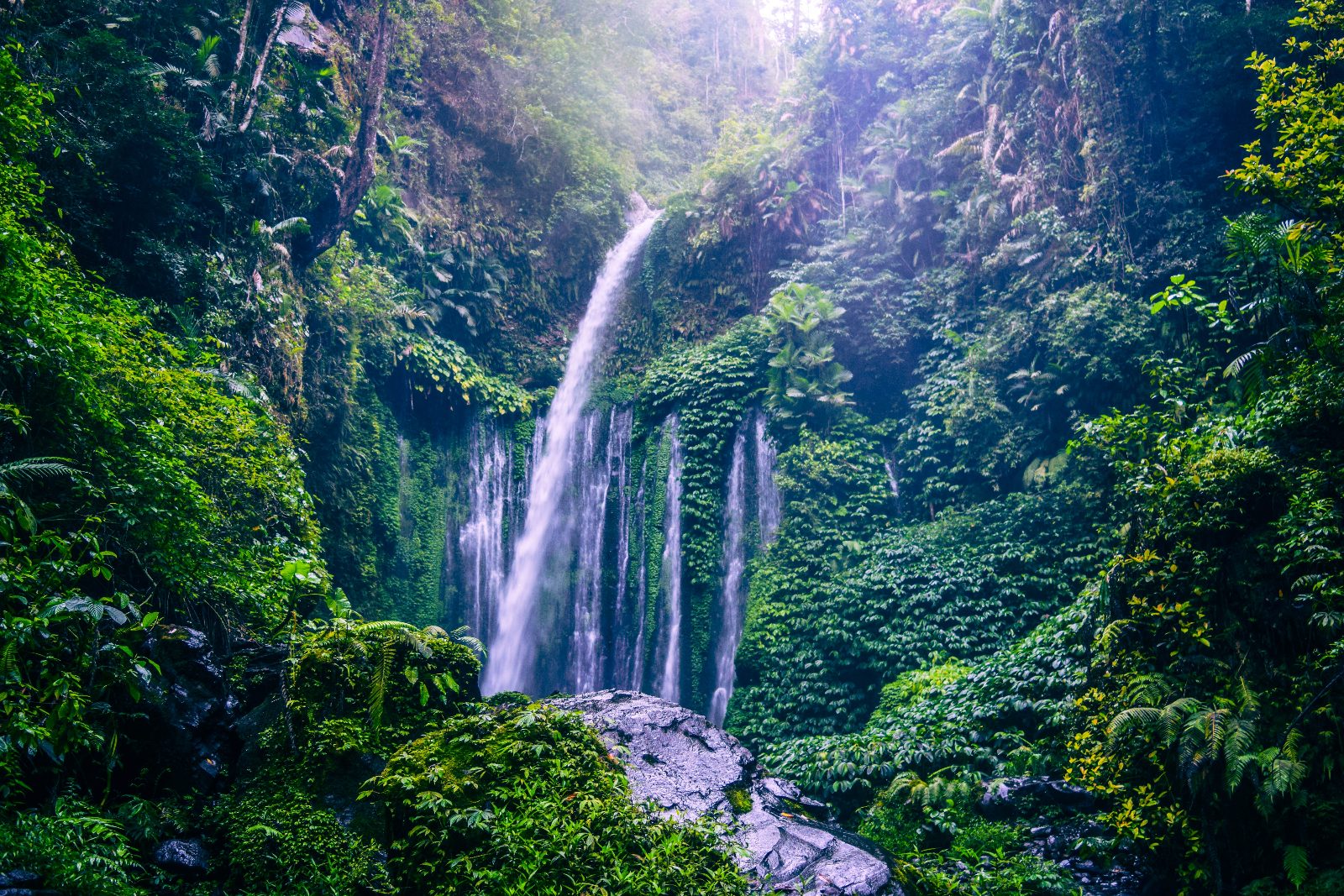
Sendang Gile Waterfall
A short walk from the Senaru trailhead area, this waterfall makes an easy pre-trek leg-stretch or a low-effort outing the day before registration.
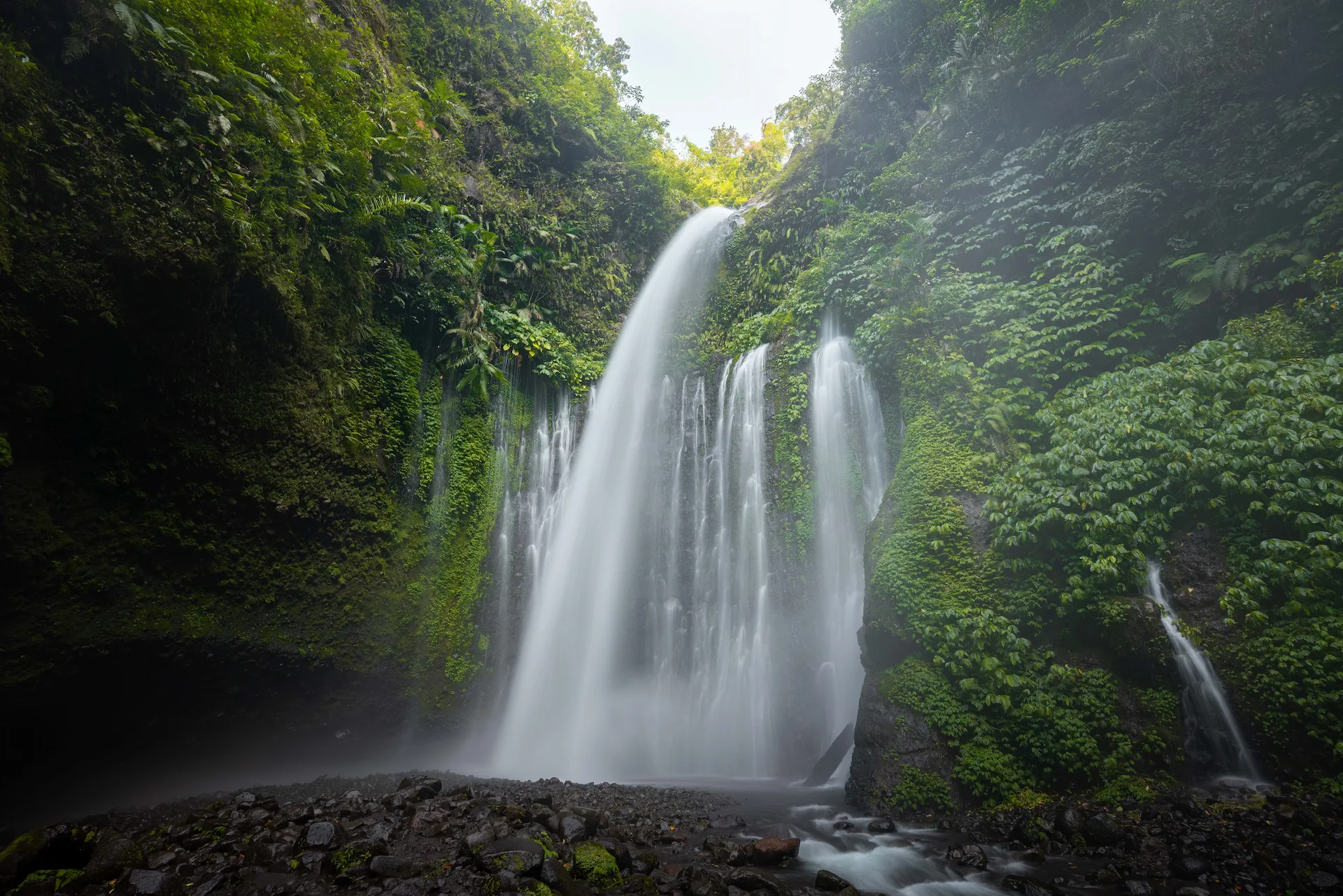
Tiu Kelep Waterfall
Reached by continuing past Sendang Gile along a river-crossing path, this second waterfall suits trekkers with an extra half day in Senaru before heading to the park post.
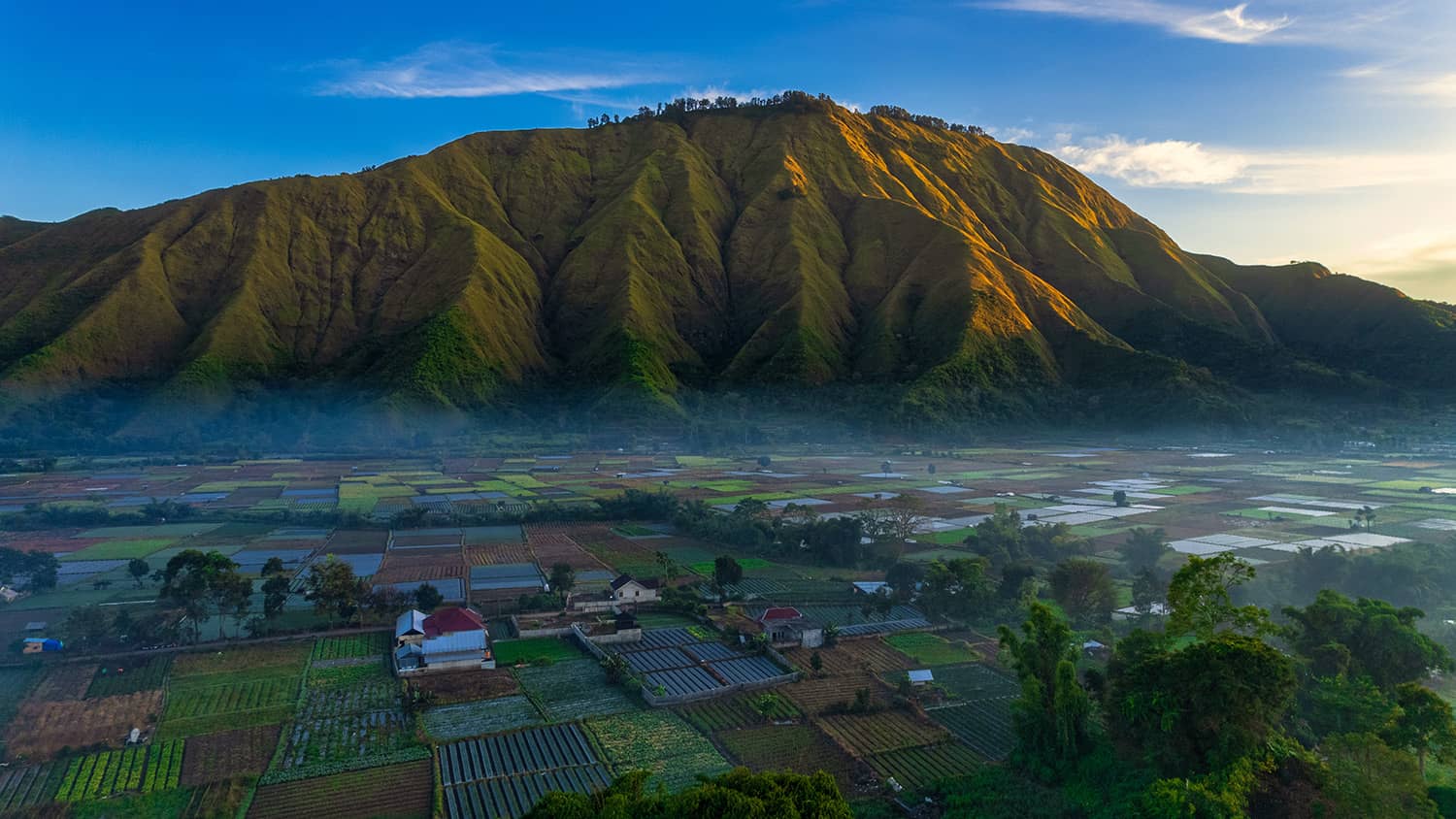
Sembalun Valley
The open grassland around Sembalun village gives a clear preview of the savanna terrain climbers cross on the Sembalun route, useful for those starting or ending the trek here.
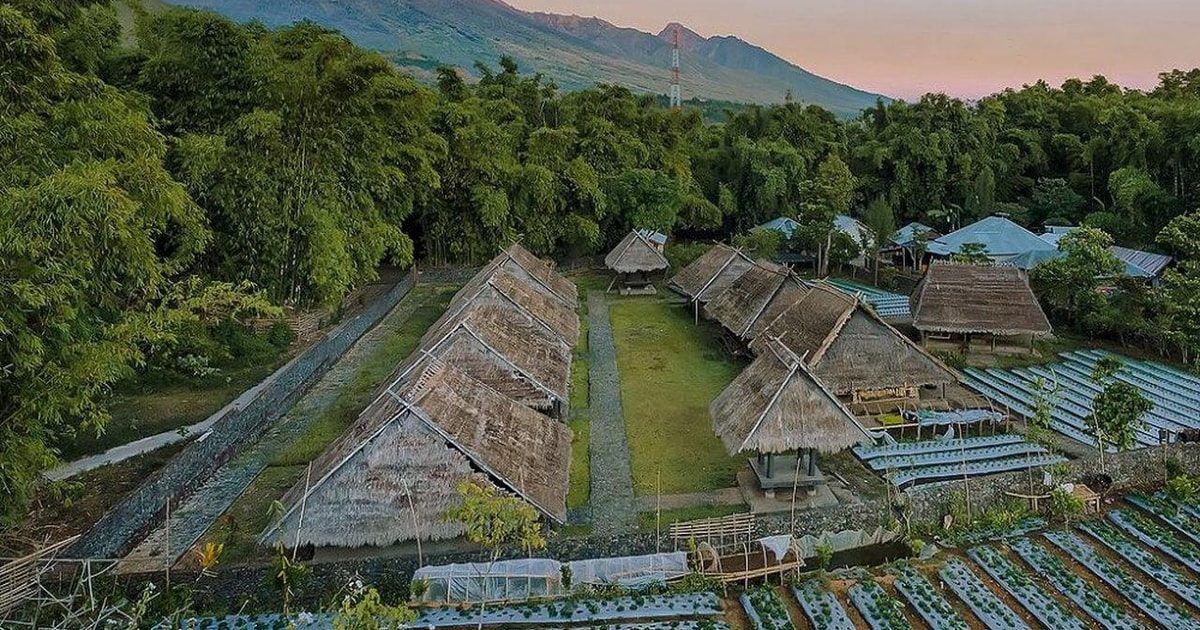
Sembalun Lawang traditional village
A small village stop near the Sembalun trailhead, worth a short visit for travelers arriving a day early to acclimatize before the climb.
Check availability
FAQ: Mount Rinjani Trekking Price
Everything you need to know about mount rinjani trekking price